Exploring Floral Art: A Creative Journey
Floral art, a timeless and versatile form of expression, has captivated artists and enthusiasts for centuries. From delicate watercolor paintings to bold graphic designs, floral art offers endless possibilities for creativity and inspiration. Whether you're a designer, marketer, or simply someone who appreciates beauty, this article will guide you through the world of floral art, its applications, and how to make it your own.
What is Floral Art?
Floral art encompasses a wide range of artistic expressions that feature flowers, leaves, and other plant elements. This can include traditional paintings, illustrations, and modern digital designs. The beauty of floral art lies in its ability to blend natural forms with artistic vision, creating pieces that are both visually stunning and emotionally resonant.
Creative Possibilities and Styles
One of the most exciting aspects of floral art is its versatility. Here are some popular styles and approaches:
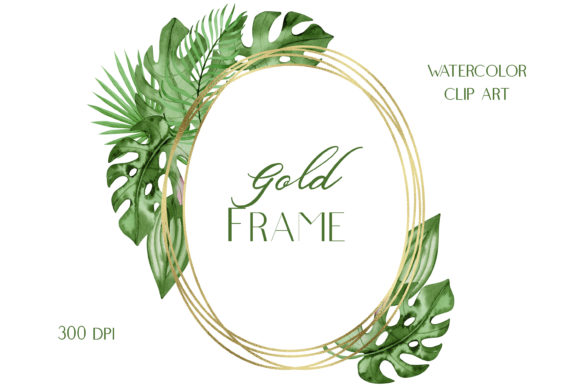
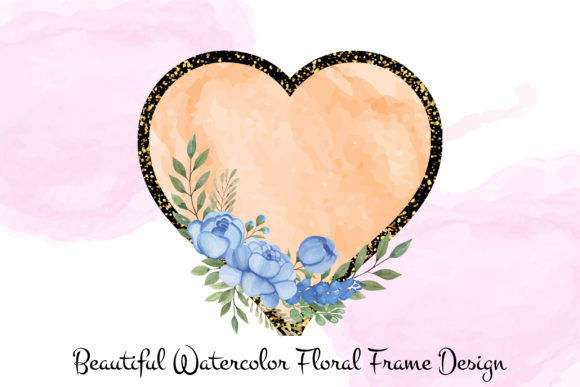
- Watercolor Illustrations: Soft, flowing lines and gentle colors make watercolor a perfect medium for capturing the delicate nature of flowers. Ideal for wedding invitations, greeting cards, and decorative prints.
- Vintage Designs: Incorporate retro elements and classic motifs to create a nostalgic feel. Vintage floral art is perfect for branding, packaging, and home decor.
- Modern Abstracts: Bold, geometric shapes and vibrant colors can transform traditional floral elements into contemporary works of art. Suitable for posters, wall art, and graphic design projects.
- Hand-Drawn Sketches: Simple, elegant line drawings can add a personal touch to any project. Use them for note cards, book illustrations, and custom artwork.
Practical Applications and Projects
Floral art can be adapted for a variety of purposes, making it a valuable tool for creative professionals and hobbyists alike. Here are some practical ideas:
- Wedding Invitations: Create a beautiful, cohesive theme for weddings by incorporating floral designs into invitations, thank-you cards, and event decorations.
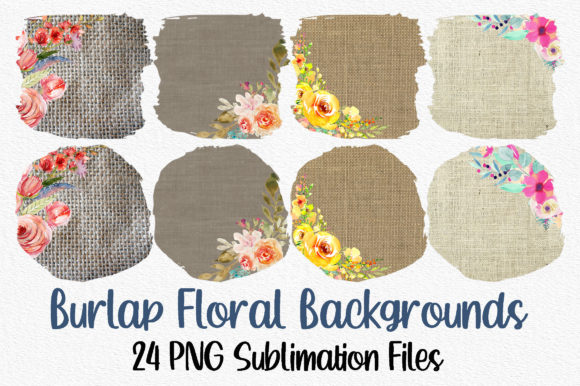
- Home Decor: Add a touch of elegance to your living space with floral wallpaper, framed prints, and decorative cushions. Choose colors and patterns that complement your existing decor.
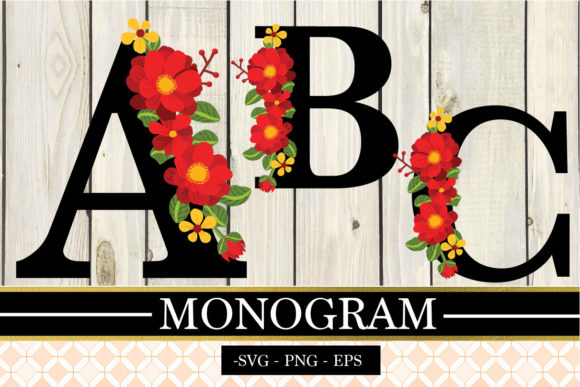
- Graphic Design: Use floral elements to enhance logos, business cards, and marketing materials. This can help create a memorable and visually appealing brand identity.
- DIY Crafts: Engage in fun and creative DIY projects like hand-painted mugs, embroidered tea towels, and custom gift wrap. These small touches can make a big impact.
Tips for Creating Effective Floral Art
To ensure your floral art is clear, effective, and audience-friendly, consider the following tips:
- Choose the Right Colors: Select a color palette that complements the overall mood and purpose of your project. Pastel shades work well for romantic and delicate themes, while bold, vibrant colors can add energy and excitement.
- Balance and Composition: Pay attention to the balance and composition of your design. Symmetry can create a sense of harmony, while asymmetry can add interest and movement.
- Use High-Quality Materials: Whether you're working with traditional media or digital tools, using high-quality materials and software can make a significant difference in the final result.
- Stay Inspired: Keep your creative juices flowing by exploring different sources of inspiration. Visit gardens, study botanical illustrations, and experiment with new techniques and styles.
Conclusion
Floral art is a rich and diverse field that offers countless opportunities for creativity and expression. By understanding the different styles, applications, and best practices, you can create beautiful and meaningful works of art that resonate with your audience. Whether you're designing a wedding invitation, decorating your home, or simply enjoying the process of creation, floral art is a wonderful way to bring a touch of nature and beauty into your life.